
Sustainable Food Places contributions to Governmental consultations & policy briefings
We support policies and planning processes that ensure everyone can access affordable, nutritious and sustainably produced food. We model and amplify the value of networked, community responses during and after shocks and emergencies, but vitally we urge central and local government to focus on preventative strategies that strengthen local food systems. SFP supports the following definition of food resilience:
“The capacity of a food system, its institutions, businesses, and communities to ensure reliable access to safe, nutritious and affordable food under both normal and disrupted conditions.”
Our approach to food resilience emphasises:
We call for national government to give local resilience bodies a clear remit, guidance and resources to plan for food supply disruption and food access, including food within the risk registers that inform local preparedness. We support a Good Food Bill that establishes statutory duties for food system planning and accountability, embedding resilience within a wider commitment to a healthy, fair and sustainable food system.
6-key issue tags: Food Governance & Strategy, Food Poverty, and Food for the Planet.
Supporting evidence and examples: SFP Civic Food Resilience policy briefing & Civil Food Resilience in Practice — report and local case studies.
Examples of practice across the SFP network: Dyfed Powys Food Resilience Project / Bristol Food Disaster Risk Project / Yorkshire & Humber ADPH position statement on food resilience and supporting ppt
We support formal recognition and multi-year funding for food partnerships to help shape and coordinate local food resilience planning, connecting communities, food businesses, producers, public services and resilience bodies. Investment should sustain the trusted relationships, community knowledge and practical capacity that enable places to prepare and respond together, with people most exposed to disruption involved in shaping plans. We encourage public sector food buying that strengthens diverse, sustainable supply chains, alongside investment in local production, processing, storage and distribution infrastructure. Building this capacity should improve everyday access to good food as well as preparedness for emergencies.
6-key issue tags: Food Governance & Strategy, Good Food Movement, Food Poverty, Sustainable Food Economy, and Catering & Procurement.
We support investment in a transition towards an agroecological farming system. We encourage policies, infrastructure, and frameworks that enable farmers to adopt Nature-friendly production that is also economically viable, and ensures the livelihood of producers and those employed in the sector. We support investment into UK horticulture in particular, to meet the gap in the UK’s low fruit and veg consumption and production levels, as well as support for smaller-scale farmers, and high welfare meat, eggs, dairy, and sustainably-sourced fish and seafood.
6-key issue tags: Food Governance & Strategy, Sustainable Food Economy, and Food for the Planet.
Examples: Spotlight on food maps and directories supporting their local food economy | Sustainable Food Places & Local food benefits go far beyond food miles | Sustainable Food Places & Growing community food enterprises | Sustainable Food Places
As well as individual and community efforts to reduce food waste at all stages of production, processing & consumption, we very much support legislative action to ensure that food producers, manufacturers, retailers, and foodservice companies manage supply chains encouraging collaboration, and minimising waste pre-consumption, such as selling commercially “imperfect” produce.
6-key issue tags: Food Governance & Strategy, Catering & Procurement, and Food for the Planet.
Examples: Compost Collective Leeds - pilot success | Sustainable Food Places & Food Waste Action Week | Sustainable Food Places
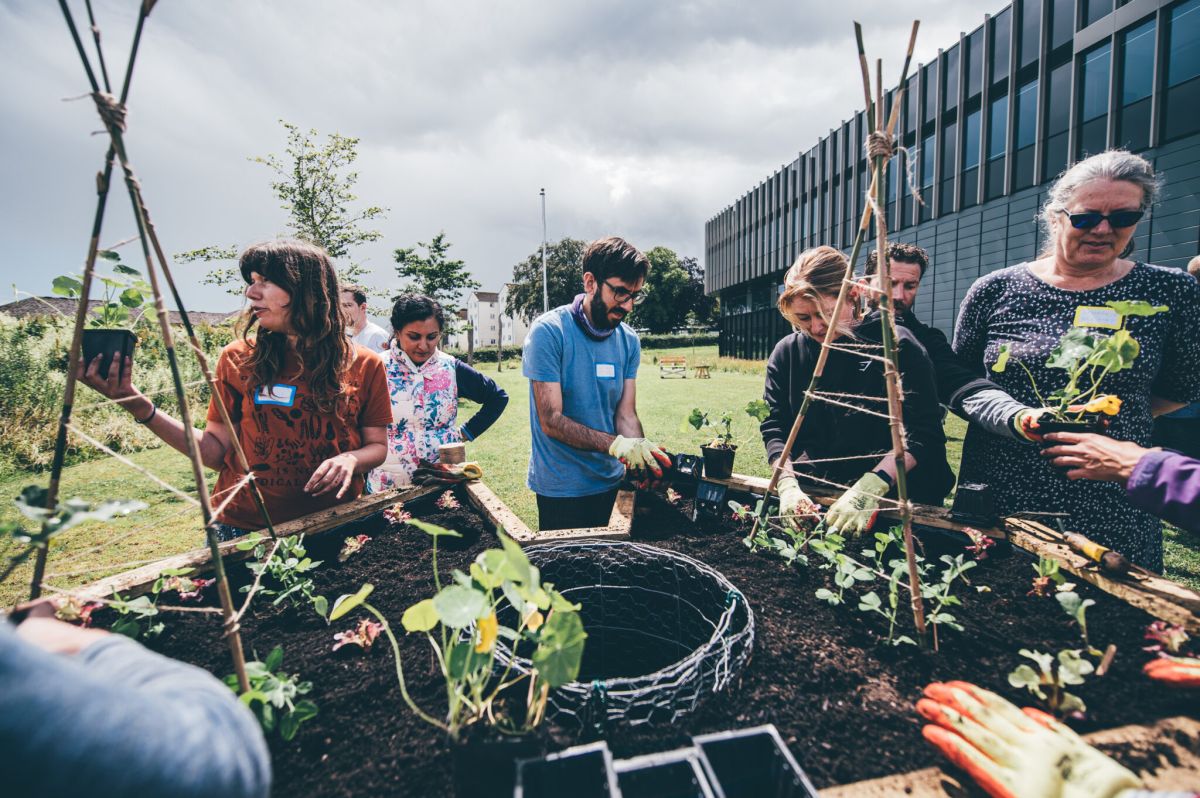
We are very much in support of community growing initiatives at all scales, and actively support the Good to Grow network through our Veg Cities campaign. We particularly support the Right to Grow (as outlined by Incredible Edible) in all local authorities. We believe that community growing projects can contribute to community cohesion, wellbeing, and education, as well as having the potential to increase access to fresh produce. We extend this support to local seed-swapping and skill-sharing initiatives which provide a unique setting for biodiversity and heritage stewardship.
6-key issue tags: Good Food Movement, Healthy Food for All, Food for the Planet.
Examples: Whatever space you have access to, get growing this spring. | Sustainable Food Places & Right to Grow Learning Network | Sustainable Food Places & Good to Grow Week launch: Protecting nature and building a Right to Grow | Sustainable Food Places
We believe that everyone should be able to access and enjoy a healthy, sustainable, and culturally appropriate diet. Our overall understanding of “healthy” and “sustainable” is a varied diet made of mostly plants, sustainably-produced (especially in terms of animal welfare) animal products, freshly prepared and minimally processed (as opposed to ultra-processed). We support restrictions to junk food advertising and marketing, particularly among children.
6-key issue tags: Food Governance & Strategy, Healthy Food for All, Food for the Planet.
Examples: Newham bans unhealthy food advertising. | Sustainable Food Places & Sugar Smart | Sustainable Food Places & Why eating more plants is vital to our physical and mental health. | Sustainable Food Places
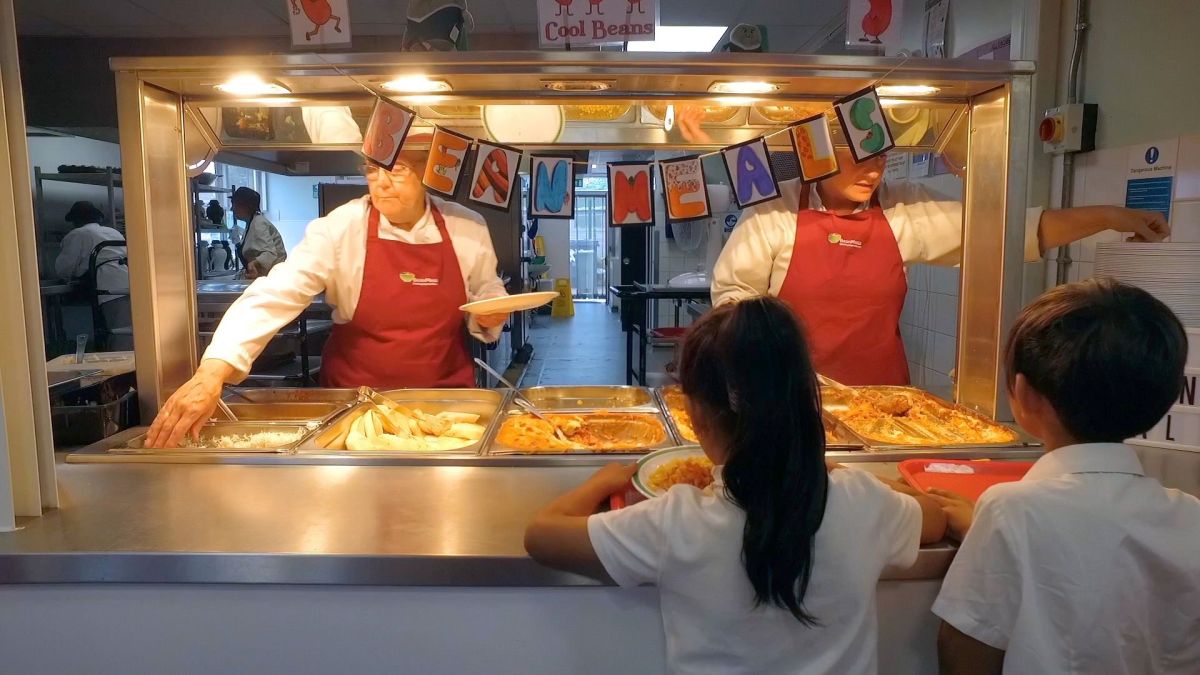
We support a move towards Universal Free School Meals in every Nation to avoid eligibility complexities, remove stigma associated with free school meals, and to ensure a nutritional safety net for every school child. Through our Veg Cities campaign, we are supporting places in our network to increase uptake of free school meals, and improvements to school food and other nutritional lifelines such as Healthy Start to increase vegetable consumption amongst children.
6-key issue tags: Food Governance & Strategy, Healthy Food for All, Food for the Planet.
Examples: Veg Cities | Sustainable Food Places & Getting organic Welsh veg into Welsh primary schools | Sustainable Food Places & School Food for All | Sustainable Food Places
We believe that everyone should have access to a healthy, sustainable, and culturally appropriate diet. Unfortunately for many people in the UK, this is currently far from their reality. When people’s budgets are constrained by consistently rising baseline costs (such as housing and utility bills) and inadequate support, along with relatively static pay, options to eat well become increasingly out of reach. Whilst we believe that emergency food provisioning is important and currently necessary in some places, we support a transition away from emergency food aid towards activities and community enterprises that create dignity, resilience, and build wealth
6-key issue tags: Food Governance & Strategy, Healthy Food for All, and Sustainable Food Economy.
Examples: From emergency food support to a longer-term resilient food alliance: Plymouth’s path to food support partnership working | Sustainable Food Places & What does dignity mean to you? How we respond to food insecurity matters. | Sustainable Food Places & From Co-Ops to Bulk Purchasing: Models for Emergency Food Provision | Sustainable Food Places & Bridging the Gap: with fruit and veg vouchers | Sustainable Food Places
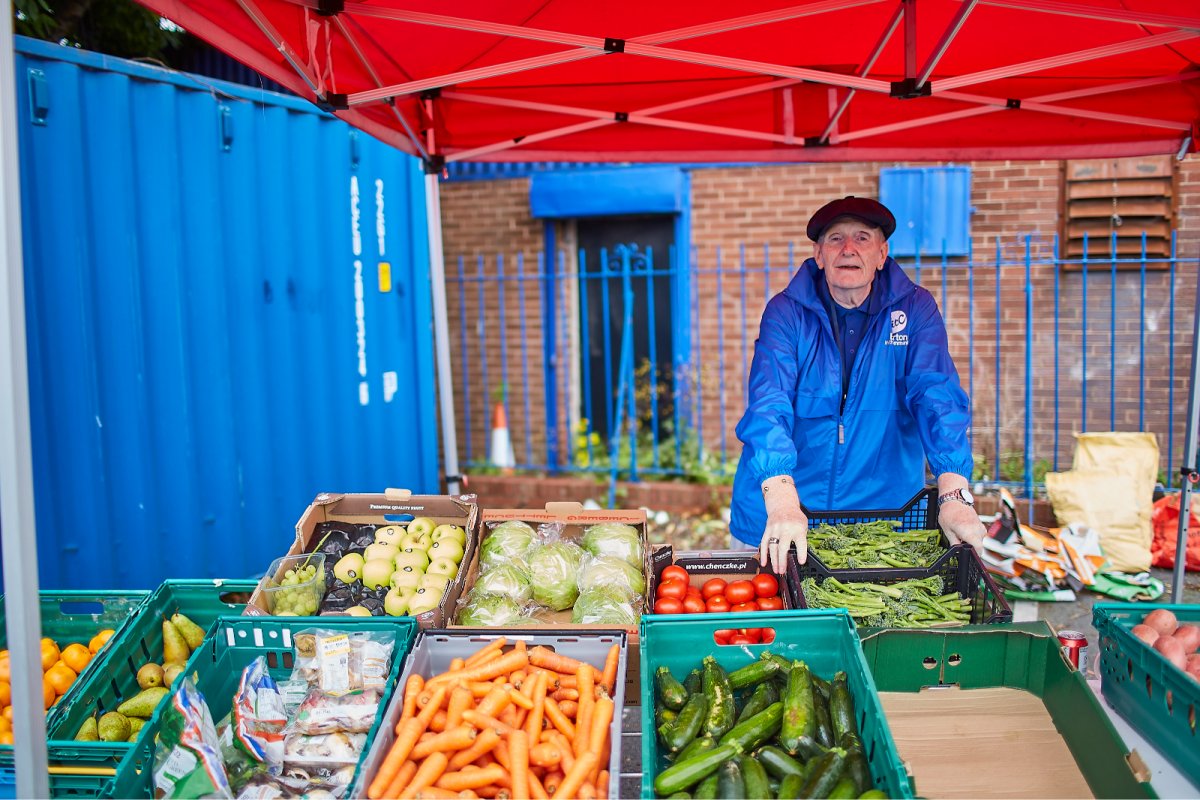
Public procurement presents a great opportunity to create change within local food systems. Because catering contracts provide such a huge business opportunity for local producers, and public institutions regularly feed large numbers of people, by changing what is served within these institutions local food systems can be dramatically altered. We believe that local food systems can be altered for the better if these contracts can be won by local producers of sustainably-sourced produce (that are often smaller and medium sized enterprises), and if dynamic procurement can be implemented to account for seasonality.
6-key issue tags: Healthy Food for All, Catering & Procurement, and Sustainable Food Economy.
Examples: OxFarmToFork provides direct access to agroecological produce | Sustainable Food Places & Realising the potential of public procurement for supporting local, agroecological farmers | Sustainable Food Places & Sourcing local food in public catering and procurement | Sustainable Food Places
It is well-documented that farmers and workers do not always receive a fair price for their produce when selling exclusively through large retailers like supermarkets. We support a fair living wage for farmers and food producers. We, therefore, support the implementation of alternative routes to market for those who create our food in order for them to receive fair prices. We believe that by directly supporting local food businesses and investing in diverse supply chains, local food systems can remain resilient to global market fluctuations, and unpredictable environmental changes.
6-key issue tags: Good Food Movement, Sustainable Food Economy, and Food for the Planet.
Examples: The peril facing Britain's fruit and veg | Sustainable Food Places & No food security without resilience | Sustainable Food Places & Bridging the Gap: The future of food hubs and ethical supply chains | Sustainable Food Places
Our programme champions the Sustainable Food Place food partnership model, where diverse actors in a local area work together to transform the food system by: co-creating a local food strategy; increasing citizenship engagement; facilitating access to enough, appropriate food; supporting a thriving local food economy; championing sustainable farming practices; and linking local producers to public institutions and local markets. We believe that this six-key issue framework is essential for a joined-up approach to local, regional, and National food systems work towards a sustainable and fairer situation. We believe that food partnership work should be recognised as a source of local food system expertise, and that it should be well-funded, and tapped-into as a method for the collaborative and inclusive construction of local and national food policies.
6-key issue tags: All 6 key issues.
Examples: Members | Sustainable Food Places
Sustainable Food Places contributions to Governmental consultations & policy briefings
Sustainable Food Places
c/o Soil Association
Spear House
51 Victoria Street
Bristol
BS1 6AD
info@sustainablefoodplaces.org
Through the power of partnerships we make healthy and sustainable food a defining characteristic of where people live.
2026 © Sustainable Food Places
Data privacy & cookies
Sustainable Food Places is powered by: